Planning trips and finding information can be challenging and overwhelming. But don’t worry; I’ve got you covered! Here are the FAQ people typically ask before their trip, along with the responses. If you can’t find the answers to your travel questions, feel free to message me using the form at the bottom of the page.
10 FAQ About Traveling To Indonesia
This FAQ mainly covers general information on traveling to Indonesia that can be applied to most places including Sumatra.
Citizens of the UK, EU, Australia, New Zealand, Canada, the USA, and most other countries need a visa to enter Indonesia. Citizens of ASEAN member countries are exempt. Visas can be obtained upon arrival (payment by cash or card) or applied for in advance here (payment by card). The approval process is quick, and you should receive your visa immediately. The visa costs 500,000 IDR. Additionally, you now need to fill out a Health Pass before entering Indonesia. Please always double-check whether you need a visa or not.
In general, the best time to visit Indonesia is during the dry season, which typically runs from May to September. This period offers sunny days, minimal rainfall, and pleasant temperatures, making it ideal for outdoor activities like beach visits, trekking, and exploring the islands. However, Indonesia is a huge country, so it depends not only on the season, but also on which part you go to. In addition, some activities can be enjoyed all year round.
Indonesia is generally safe for tourists, but it’s important to take standard precautions. This means, for example, keeping an eye on your belongings, avoiding remote areas at night, and familiarizing yourself with local customs and prices in advance. It’s also advisable not to draw attention to yourself by wearing obviously expensive clothing or carrying cameras visibly. If you are carrying a significant amount of cash, keep it separated to avoid showing how much you have when paying.
Yes, Indonesia is great for solo travelers, with many interesting destinations, plenty of affordable hostels where you can meet other solo travelers and friendly locals. Solo travel is generally safe for both men and women, but you should always take the basic safety precautions listed above.
The Indonesian Rupiah (IDR) is the official currency. While credit cards are usually accepted in urban areas and tourist spots, it’s best to carry cash when visiting more remote areas. Sometimes it is also possible to pay in USD or EUR, but the exchange rate may not always be favorable.
Yes, you can easily purchase a local SIM card upon arrival at the airport or at various convenience stores. Major providers include Telkomsel, XL Axiata, and Indosat, offering affordable prepaid plans with data, calls, and texts. Make sure your phone is unlocked to use a local SIM. If you are staying longer in Indonesia, you can download the provider’s mobile app to purchase additional data as needed. However, be aware that some data packages may only work locally, meaning they might not be valid across all of Indonesia. To simplify your experience, you can purchase an Airalo e-SIM in advance and be online immediately upon arrival.
Getting around in Indonesia offers various options. Domestic flights are the fastest way to travel between destinations, while buses and trains provide budget-friendly choices for land travel, especially on Java and Sumatra. In cities, taxis and ride-hailing apps like Grab and Gojek are convenient and hassle-free for short distances. Bemos and angkots, which are shared minivans or vans, operate on fixed routes and offer an economical way to navigate urban areas, though they can be crowded. Renting a motorbike is popular and allows for flexible exploration, but keep in mind that traffic in Indonesia can be quite wild, and roads are not always in good condition. Ferries connect major islands, making them an economical choice for island hopping. Always be cautious and aware of your surroundings when using public transport.
For residents of most countries, no vaccinations, including COVID-19, are required to enter Indonesia. However, different rules may apply for residents of countries where certain specific diseases occur or for those who have visited those countries. Common travel essentials include vaccinations against hepatitis A and B, as well as typhoid fever. Other vaccinations, such as those for malaria, dengue, or rabies, depend on your specific travel destination and activities. We recommend consulting your doctor about all necessary vaccinations.
In Indonesia, the standard voltage is 230V, and the frequency is 50Hz. The electrical outlets use Type C and Type F plugs, both with two round pins. Type C plugs are common in Europe, while Type F plugs include an additional grounding feature. If your devices use a different plug type or voltage, you may need an adapter and possibly a voltage converter. Many modern devices, like laptops and phone chargers, are dual voltage, but it’s always a good idea to check your device’s specifications before you travel.
Yes, it’s relatively easy to find vegetarian and vegan food in Indonesia, especially in tourist areas and major cities. Indonesian cuisine offers many plant-based dishes that naturally align with vegetarian and vegan diets. Popular options include gado-gado (a vegetable salad with peanut sauce), tempeh (fermented soybean), nasi goreng (fried rice, often with vegetables), and sayur lodeh (vegetable stew in coconut milk). However, in more rural areas, it may be a bit more challenging as many traditional dishes contain fish sauce or shrimp paste. It’s always a good idea to ask for your food without these ingredients and learn phrases like “tanpa daging” (without meat) or “tanpa ikan” (without fish). Many restaurants and street food stalls are also accommodating if you specify your dietary preferences.
10 FAQ About Traveling To Sumatra
Here are the most common questions people ask about traveling to Sumatra. If you can’t find what you’re looking for, please don’t hesitate to contact me using the form at the bottom of the page.
Generally, the best time to visit Sumatra is during the dry season, which runs from May to September. However, since Sumatra is large, the ideal time can vary depending on the area you visit. For example, mountainous and rainforest regions may experience rain even in the dry season. In contrast, the islands on the west coast tend to have more stable weather from December to March. So our advice is to pack for any weather and come to enjoy Sumatra whenever it suits you.
It is not recommended to drink tap water in Sumatra. Always opt for bottled water or purified water, especially when traveling in rural areas. The ice in drinks is made from purified water and is therefore safe.
Must-visit destinations include Bukit Lawang for orangutan trekking, Lake Toba for stunning views and relaxation, Berastagi for its cool climate and volcano hiking, Padang for its rich culture and delicious cuisine, Bukittinggi for those who enjoy exploring off-the-beaten-path locations, the Mentawai Islands for surfing and meeting indigenous tribes, and the Banyak Islands for pristine beaches.
The best hiking spots include the trails around Mount Sibayak near Berastagi, the trekking routes in Bukit Lawang, and the more challenging hikes up Mount Kerinci, the highest volcano in Indonesia.
Yes, Sumatra is home to several stunning waterfalls, for example, Sipiso Piso, Situmurun, and Ponot, all located near Lake Toba
Yes, visiting traditional Batak villages around Lake Toba is a highlight. You can learn about their culture, architecture, and traditions, and some villages even offer homestays for a more immersive experience.
Yes, there are several beautiful beaches in Sumatra. Consider visiting beaches like Tanjung Tinggi in Belitung on the east coast of South Sumatra, the pristine beaches of the Banyak Islands on the west coast near Singkil, and Mentawai Island on the west coast near Padang for its beaches, surfing, and the Mentawai tribe experience. Another noteworthy area is the northern coast of Sumatra near Banda Aceh, which includes the popular Pulau Weh.
Cultural sites include the traditional houses in Samosir or Berastagi, the heritage sites of Padang, and the historical temples in the Minangkabau highlands. Don’t miss the local markets to experience the vibrant culture.
While independent travel is possible, joining a guided tour can enhance your experience, especially in remote areas where transportation and navigation may be challenging. If you want as many local insights as possible and to ensure a smooth travel experience, check out our customizable packages: Seven-Day in North Sumatra: Bukit Lawang and Berastagi, Ten-Day in North Sumatra: Bukit Lawang, Berastagi, and Toba Lake, and Two-Week in North Sumatra: Bukit Lawang, Berastagi, Banyak Islands, and Toba Lake.
In some places like Samosir Island or Bukittinggi, you can rent a scooter to enjoy short day trips. However, note that local traffic can be busy, so it’s essential to have driving experience and travel insurance. Driving a scooter for longer trips is not recommended due to the long distances between cities, heavy traffic, and often poor road conditions.
10 FAQ About Traveling To Bukit Lawang
Here are the most common questions people ask about traveling to Bukit Lawang. If you can’t find what you’re looking for, please don’t hesitate to contact me using the form at the bottom of the page.
The nearest airport is in Medan (Kualanamu International Airport). From Medan, it takes about 4-5 hours by car or bus to reach Bukit Lawang. Private transfers, shared taxis, and public buses are available. For more information, including prices, take a look at the transport options.
The best time to visit is during the dry season (May to September) when the weather is more favorable for trekking. However, Bukit Lawang is open year-round, and wildlife sightings are possible in all seasons.
Yes, it is mandatory to hire a licensed guide for jungle trekking in Bukit Lawang. They ensure your safety and help protect the fragile ecosystem and wildlife.
Yes, there are several eco-lodges and guesthouses that focus on sustainability and conservation. Most accommodations are simple and locally run, offering an authentic jungle experience while minimizing environmental impact. For tips on specific accommodation, check Accommodation: Where To Stay In Bukit Lawang.
Accommodations in Bukit Lawang have electricity, but power outages can occur, and some places may only have electricity during certain hours. It’s a good idea to bring a portable charger to keep your devices powered. A power bank is also useful during treks, where you’ll likely take a lot of photos and videos.
A stay of 2 to 5 days is ideal. This allows enough time for a jungle trek to see the orangutans, enjoy river tubing, visit an elephant sanctuary, explore nearby villages, and experience the surrounding nature. If you’re interested in multi-day treks, you may want to extend your stay.
There are no ATMs in Bukit Lawang itself, and most local businesses operate on a cash-only basis. Bukit Lawang also does not have dedicated money changers. Some guesthouses or local shops may exchange small amounts of foreign currency, but the rates are usually not favorable. Even though there are a few ATMs around, it’s recommended to exchange money in Medan or other larger towns before arriving.
Treks range from half-day to multi-day experiences. The terrain can be challenging, with steep hills and muddy paths, especially after rain. It’s suitable for those in normal physical condition, but shorter treks are available if you prefer a less strenuous experience.
Pack lightweight and breathable clothing, swimsuit, sturdy trekking shoes, towel, insect repellent, sunscreen, a hat, and a reusable water bottle. Bring a rain jacket, and a waterproof backpack, as the weather in the rainforest can be unpredictable. If you trek with us, you will receive exact instructions on what to bring depending on how long your trek is.
Leeches can be present, especially during the rainy season. Wearing long socks or leech socks can help protect against them. Leeches are more of an annoyance than a danger, and guides can help you deal with them if necessary.
Do you need more information or want to book a trek?
If you’re interested in more information or want to book a jungle trek, other activities, transfers, accommodation, or a package, please fill out all fields of the contact form so I can prepare a program, provide a price offer, and reply to all your questions.
I will reply as soon as possible, but since I am often outside in the jungle, it may take a little time. Thank you for your understanding, and I look forward to seeing you in Bukit Lawang!
Contact form
Other contacts
- info@seebukitlawang.com
- WhatsApp: +62 812-6318-0177
Jungle treks you might be interested in
Check out our range of treks, from easy options suitable for families and those with reduced mobility to challenging adventures that will test your mental and physical endurance on long excursions away from civilization.
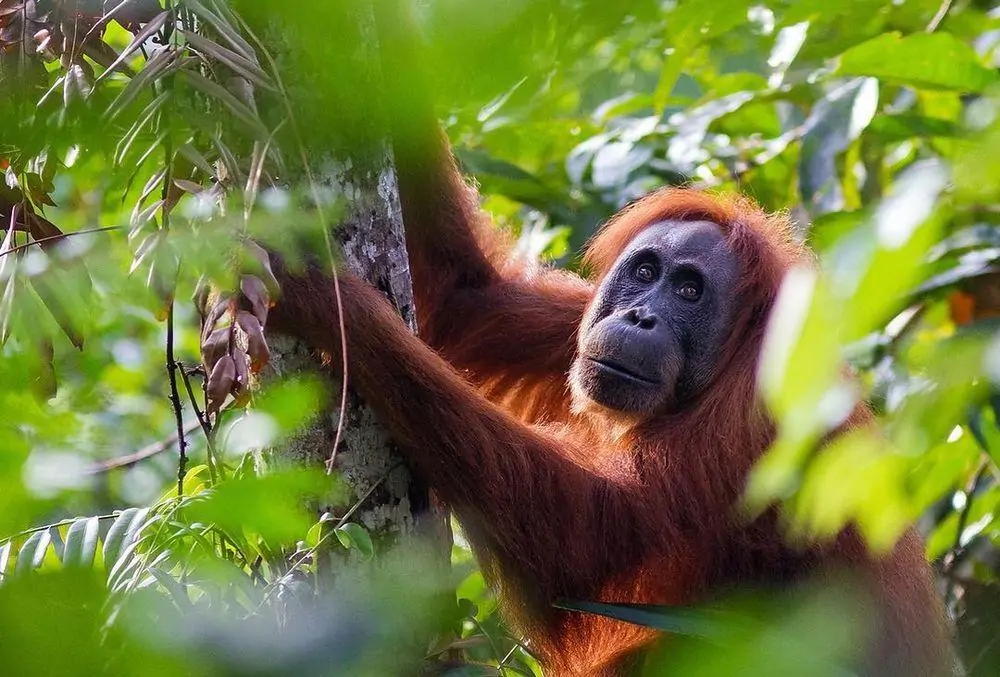
The half-day jungle trek is an easy trip into the Sumatran jungle, where you’ll discover its beauty and wildlife. If you’re lucky, you might encounter orangutans, other monkeys, and learn basic facts about local trees, plants, and flowers.
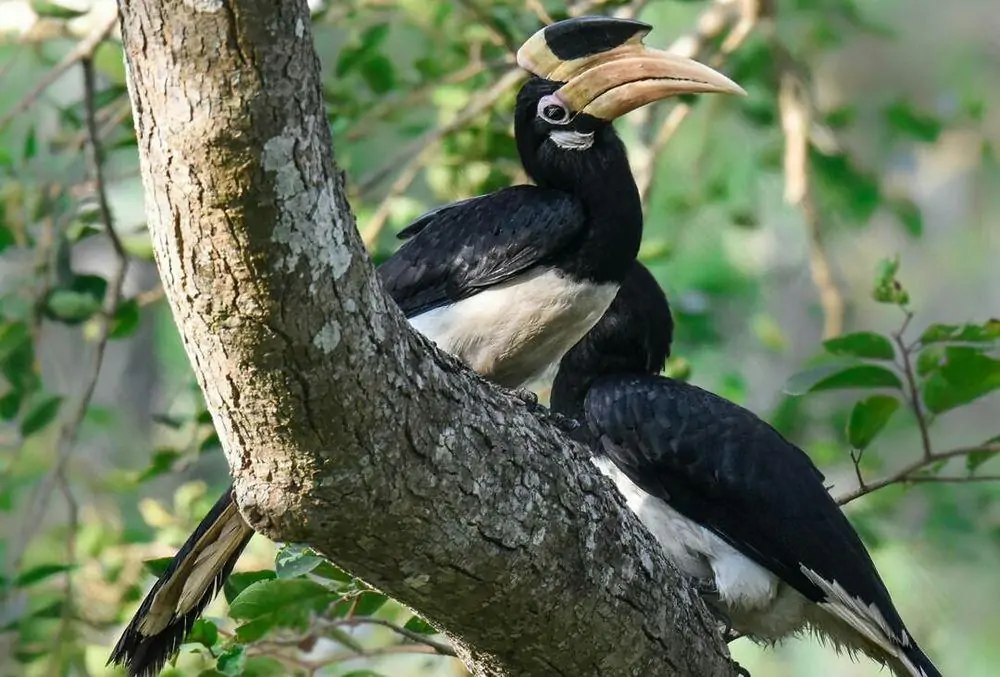
During the 1-day jungle trek, you’ll venture deeper into the Sumatran jungle and have the chance to encounter its inhabitants, including orangutans, Thomas leaf monkeys, gibbons, hornbills, and many others. You’ll also learn about local plants and have time to relax and enjoy an Indonesian lunch in the jungle.
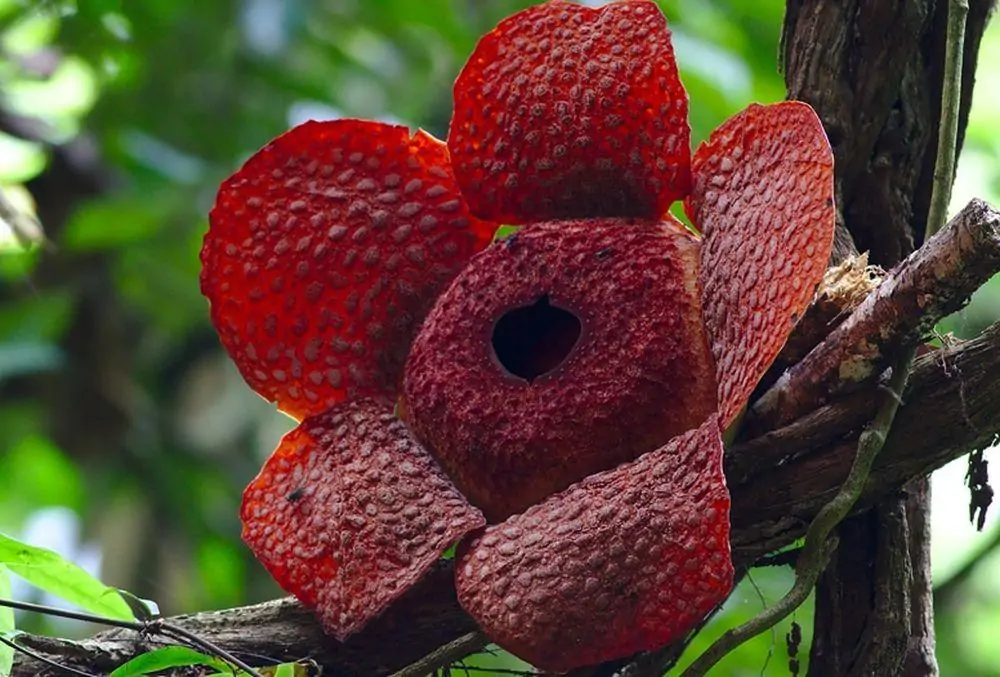
Want to discover the secrets the jungle hides at night? Join us for a moderate 2-day, 1-night jungle trek where you’ll sleep in the jungle and encounter animals that are active after dark. The adventure concludes with a ride down the river on traditional rafts back to Bukit Lawang.
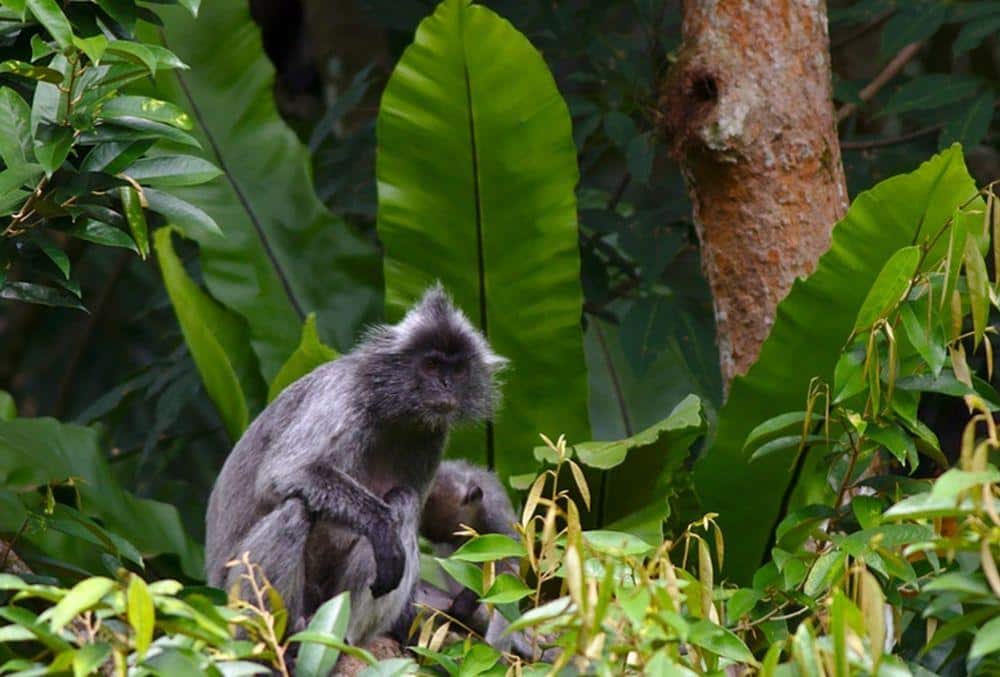
Let’s embark on a 3-day, 2-night jungle trek! Open your eyes and ears as you delve into the mysteries of the Sumatran jungle, home to fascinating inhabitants such as orangutans, white gibbons, dusky monkeys, forest turtles, rare birds, and more. At the end of this once-in-a-lifetime experience, enjoy an adventurous ride down the river on a traditional raft.
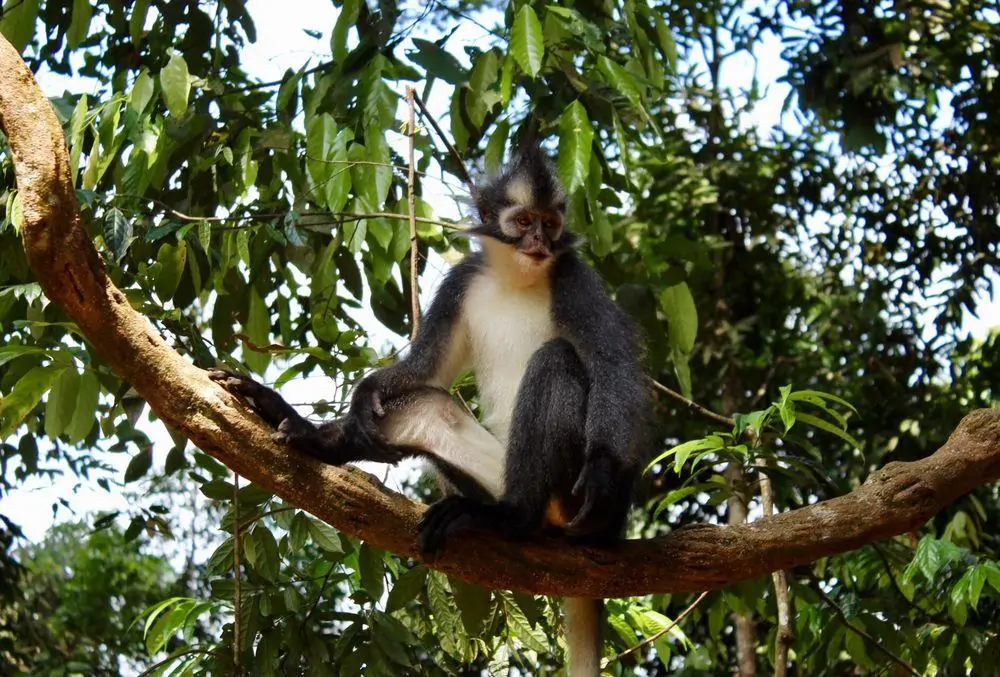
Want a real adventure? Join us for a 4-day, 3-night jungle trek that takes you deep into the Sumatran jungle, far from civilization and off the beaten path, for an amazing and challenging lifetime adventure. This trek offers the chance to explore the jungle in its pristine state and observe a variety of wildlife. You’ll also learn about various plants, including medicinal ones.

Want to experience Sumatra in its pristine state, see rare animals and plants, and learn the basics of jungle survival? Join us for a 5-day, 4-night jungle trek, where you’ll also have the chance to improve your physical and mental strength. Away from civilization and common hiking trails, you might spot monkeys, as well as tracks of wild elephants and tigers, if you’re lucky.
Other trips you might be interested in
Have more time? Great! Visit the elephant sanctuary where you can join in bathing the elephants, enjoy swimming in the river, and explore a cave. Discover local products, traditions, crafts, and plants while gaining interesting information, experiences, and skills.
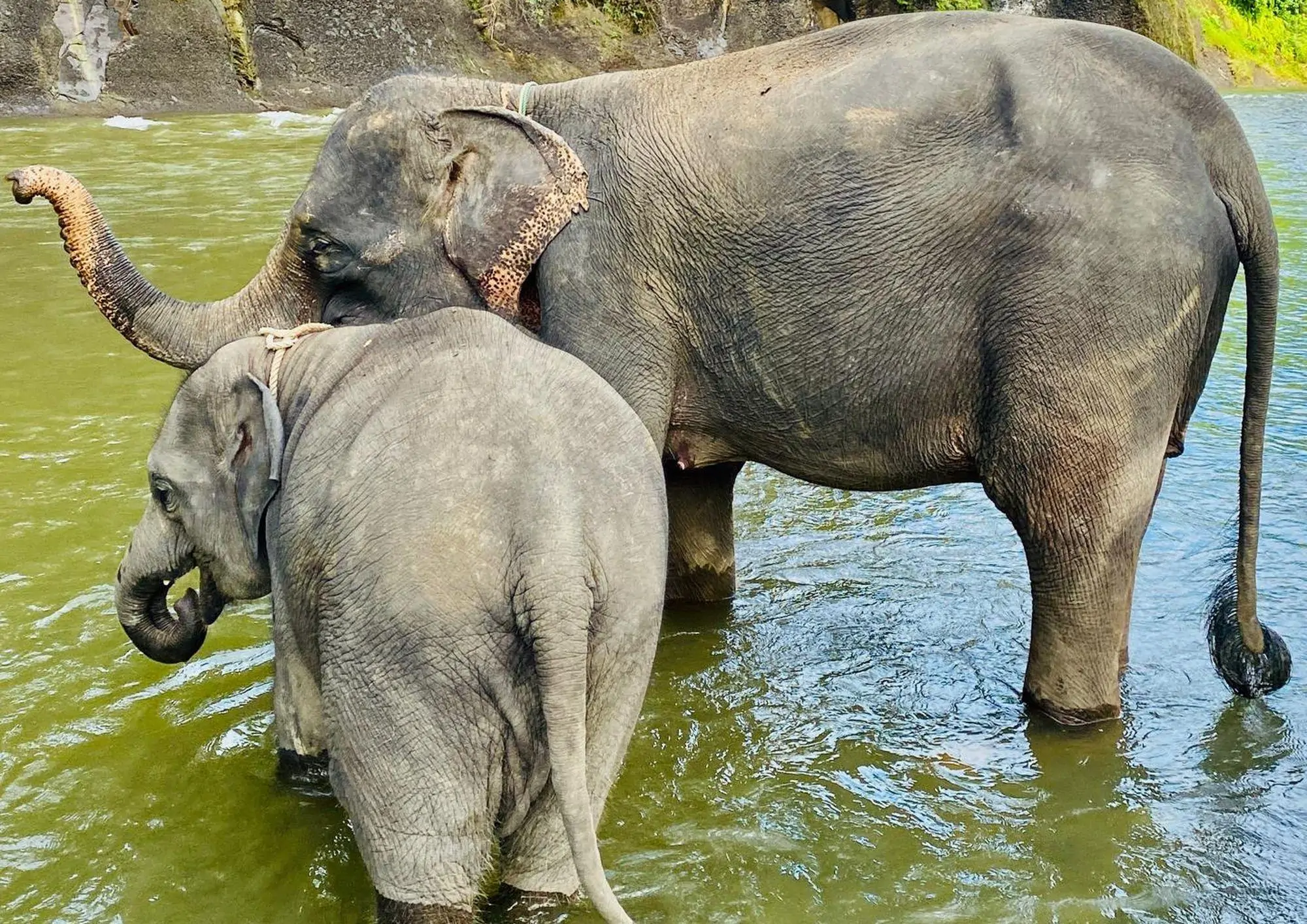
Join us at the elephant sanctuary in Tangkahan, home to elephants rescued from forests affected by illegal logging. In addition to visiting the sanctuary, you’ll take a dip in the hot springs, swim in the river, enjoy stunning views of the Sumatra countryside, and savor a delicious local lunch.
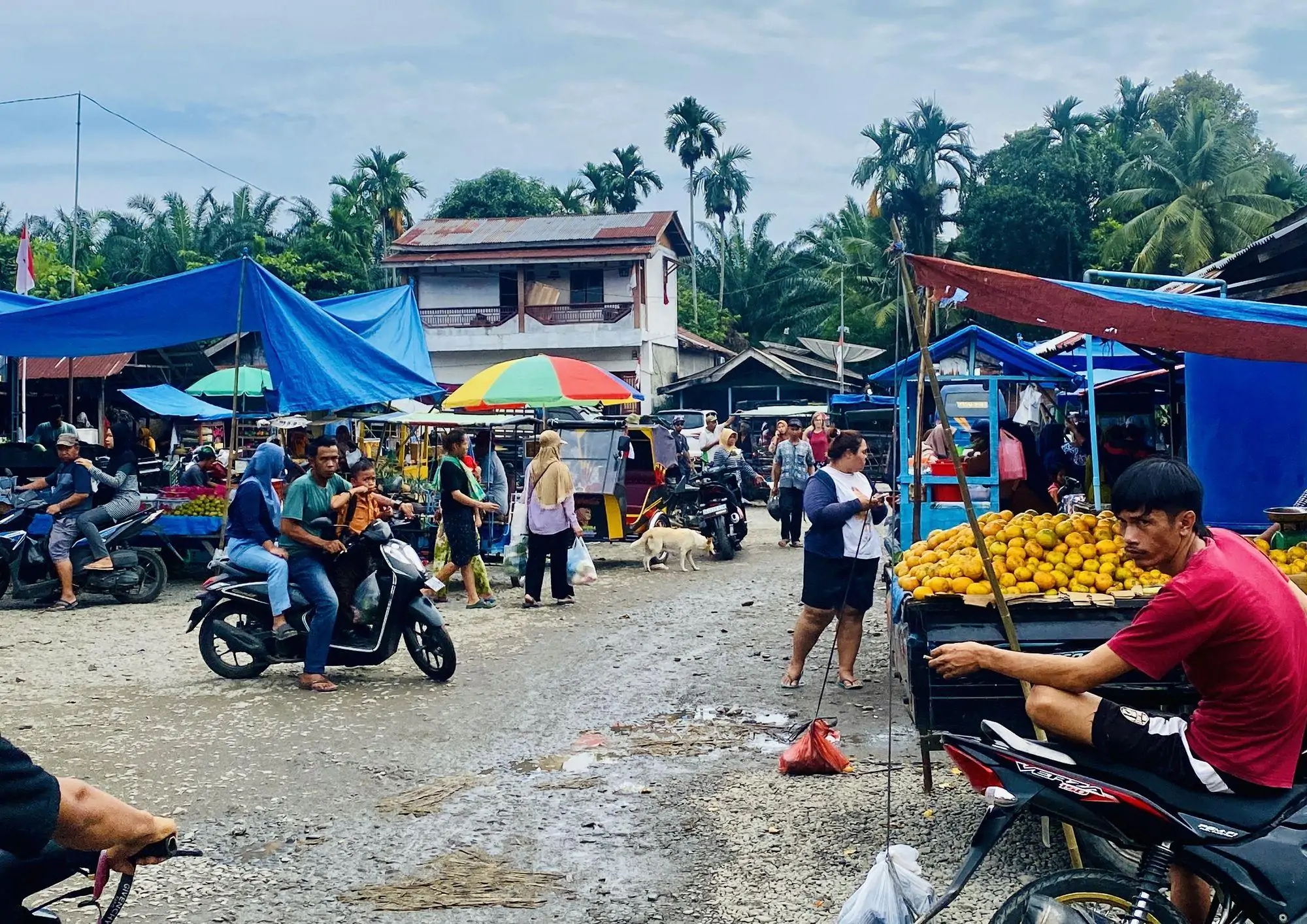
Join us to explore the surroundings of Bukit Lawang on a village cycling or tuk-tuk tour, where you’ll learn many fascinating facts about local life, crafts, plants, products, traditions, and culture. You’ll see home production of tofu, brown sugar, and rice fields. On Fridays, you can visit the local market to buy fruit, spices, and more.
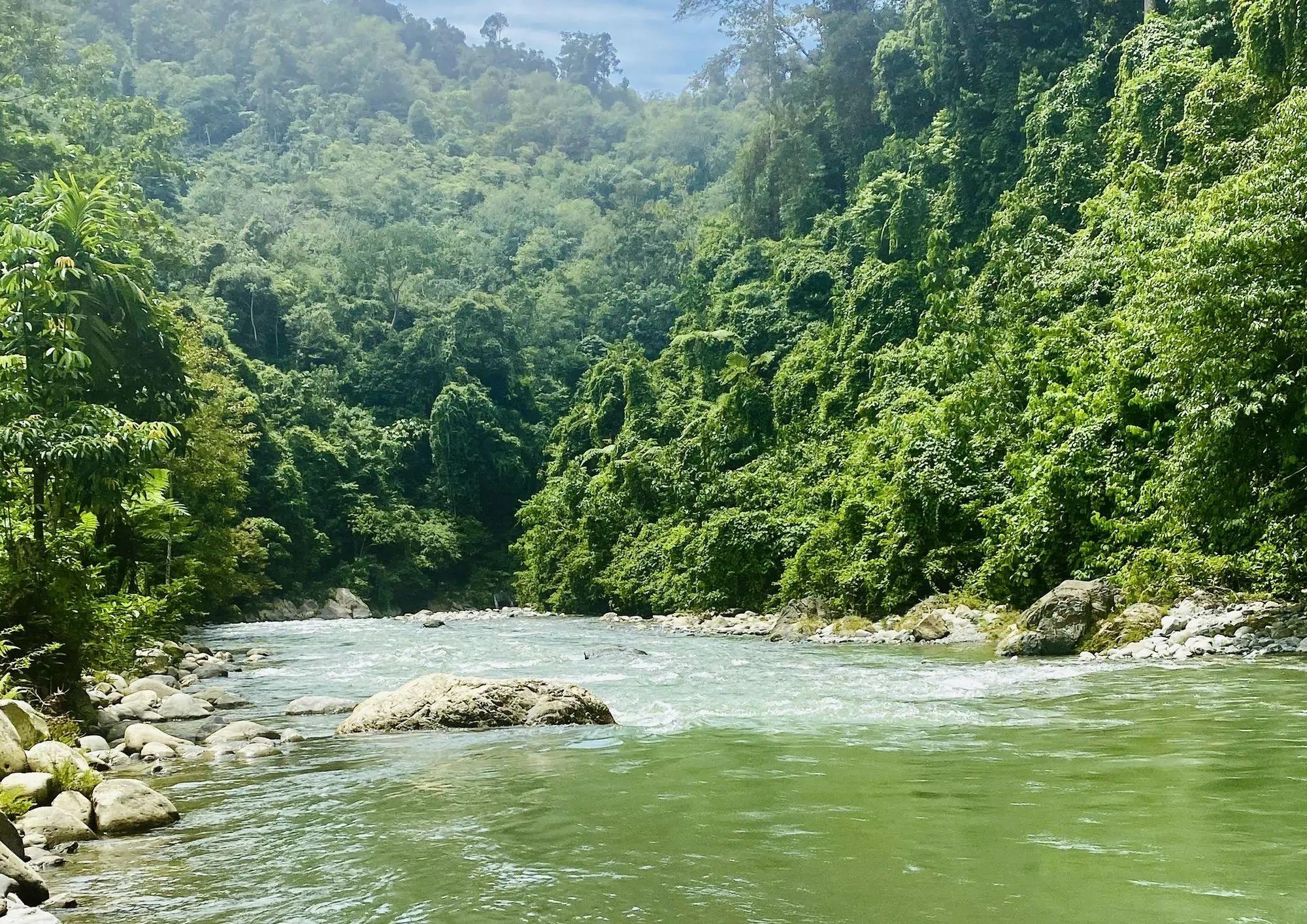
Bat Cave, located about a 40-minute walk from Bukit Lawang, features not only many stalagmites and stalactites but also various species of insects, snakes, bats, and swallows. If you’re lucky, you might spot different species of monkeys and other animals along the way, including orangutans.
Discover more of Sumatra’s natural beauty
Besides Bukit Lawang, Sumatra offers plenty of other beautiful places to visit, from rugged volcanic landscapes to pristine beaches with crystal-clear waters. Take a look at our fully customizable packages and come explore with me!
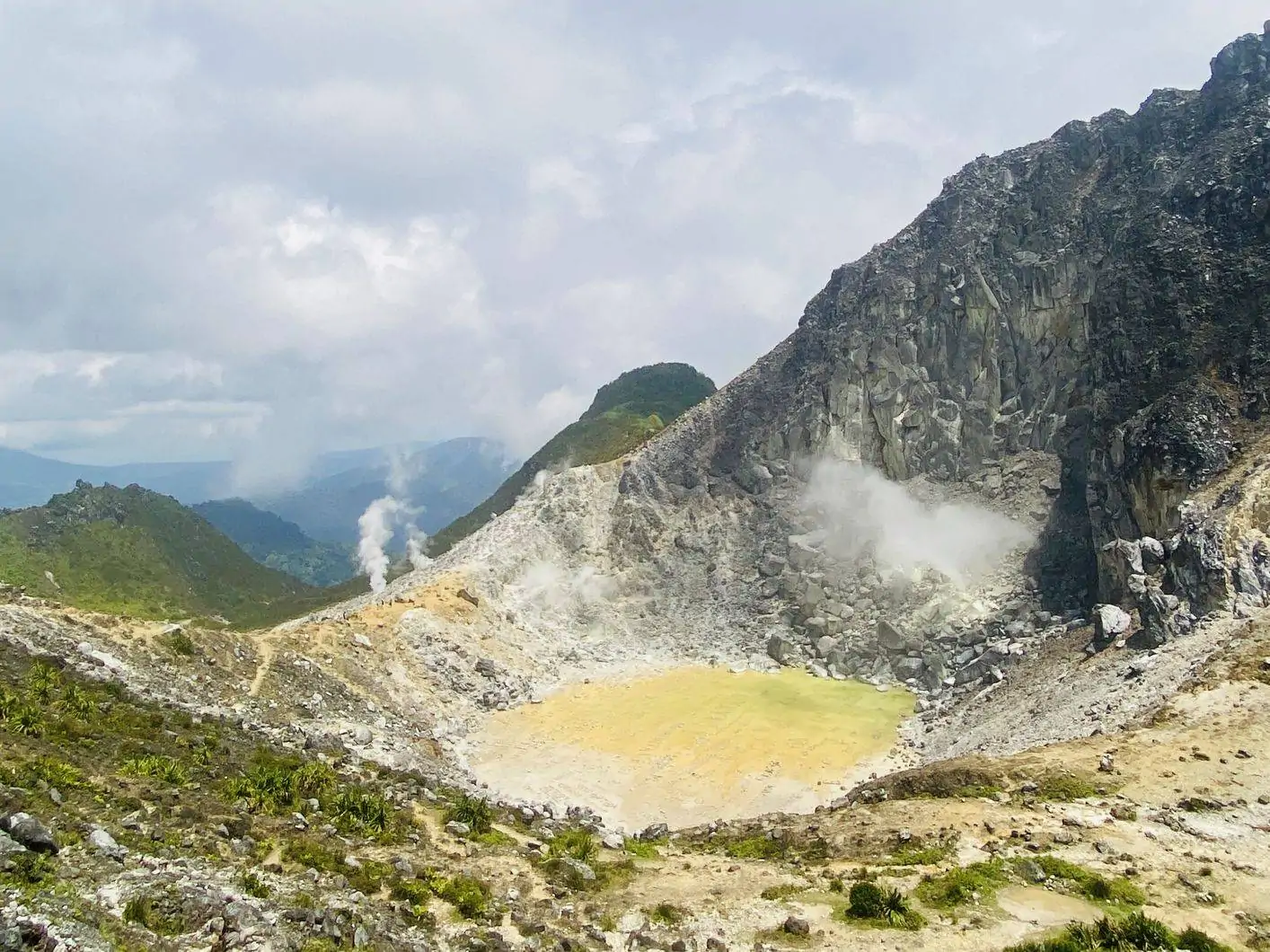
North Sumatra offers countless natural wonders and experiences for adventurous travelers, so why not explore beyond Bukit Lawang? Join us not only for the jungle, rafting, and elephants but also for the volcanoes, hot springs, and stunning views in Berastagi during this seven-day package.
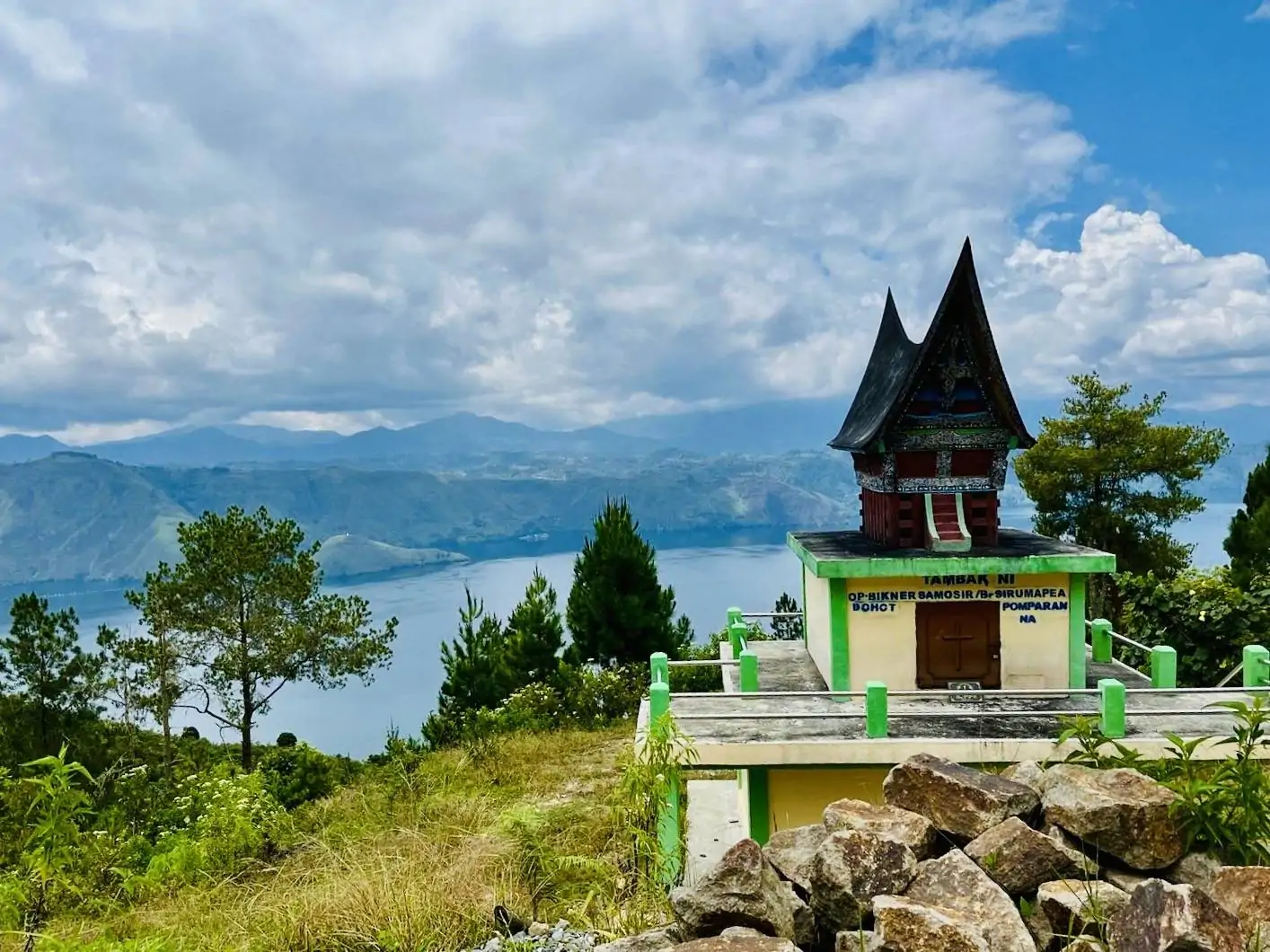
Do you want to have a real adventure? Trek in the rainforest? Sleep in the jungle? See orangutans in the wild? Wash and feed an elephant? Hike to a volcano and find yourself in the middle of the world’s largest volcanic lake? Join me on a Ten-Day trip to experience the best of North Sumatra’s natural beauty!
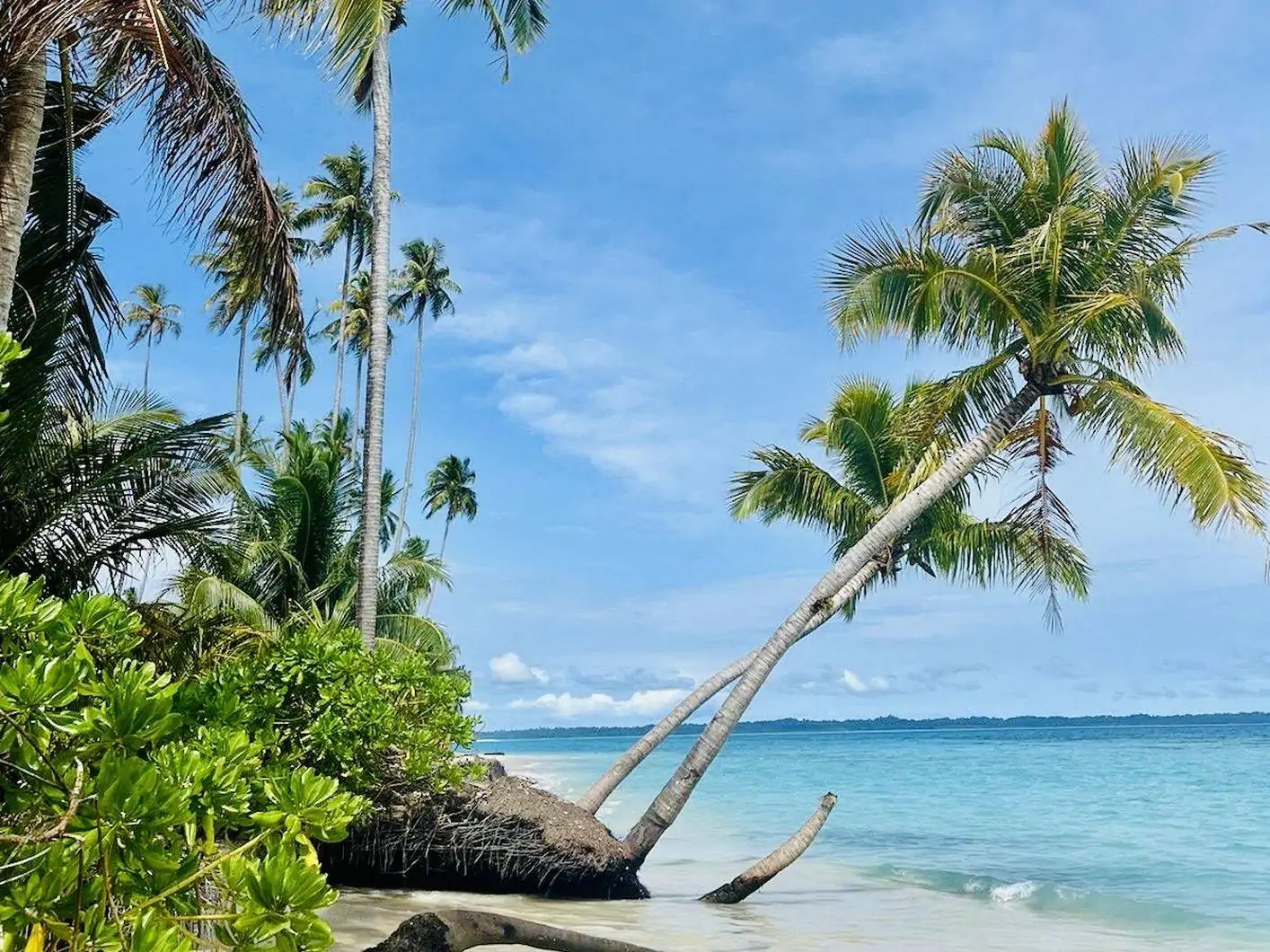
Sumatra offers wild, untouched nature, beautiful beaches, great food, and authentic culture. Despite its beauty, it remains mostly overlooked by tourists, with few exceptions. Because of this, it still maintains its authenticity and is perfect for those seeking a real adventure. Join me for a two-week trip that takes you through everything from jungles to volcanoes to pristine beaches.